LiteALPR: Lightweight & Accurate License Plate Recognition




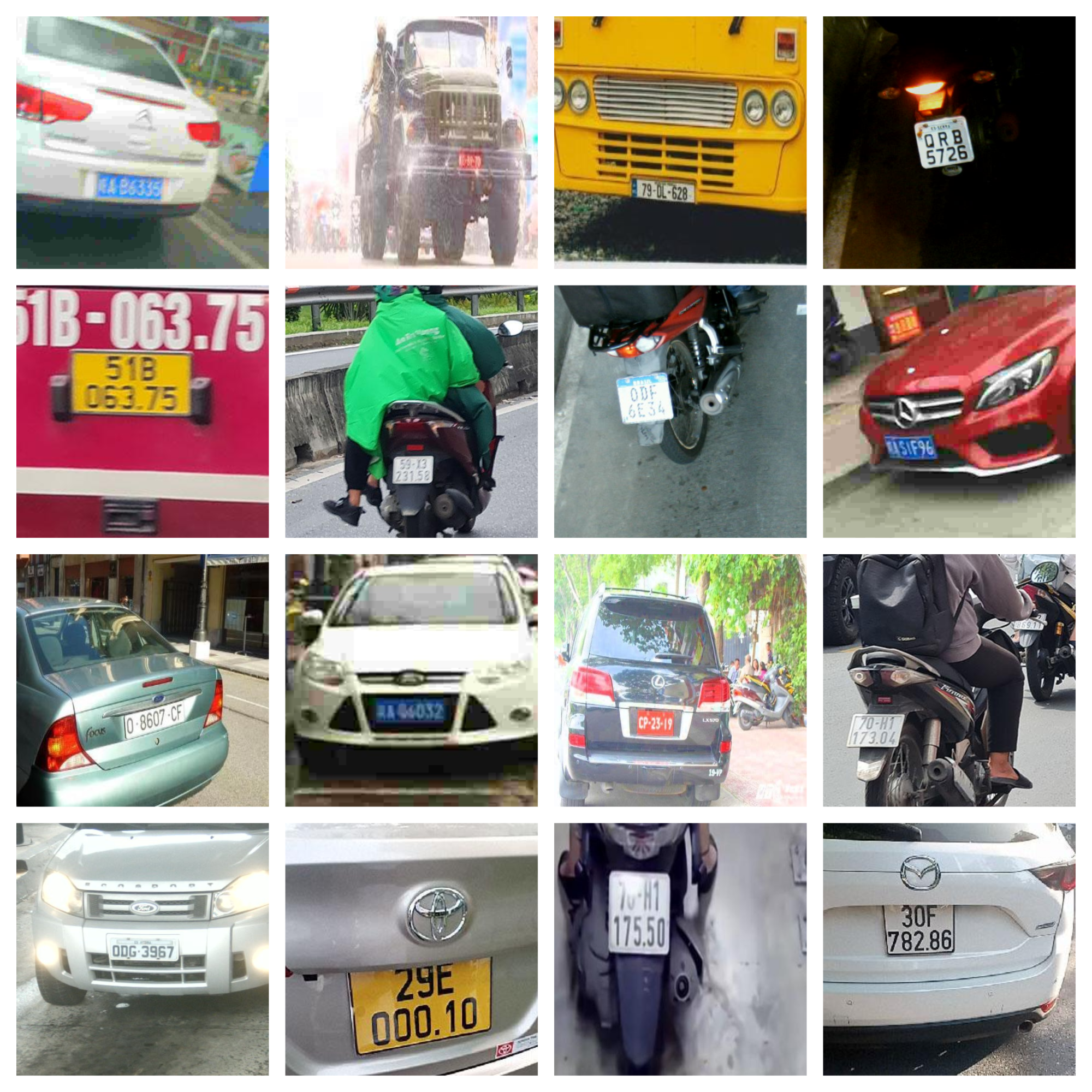
Visual samples of challenging real-world license plates (motion blur, diverse layouts, low light) handled robustly by LiteALPR.
What is LiteALPR?
LiteALPR is an open-source, ultra-fast, and highly accurate end-to-end Automatic License Plate Recognition (ALPR) framework designed for real-world production systems and resource-constrained edge environments.
Unlike conventional ALPR systems that rely on computationally expensive models or suffer severe accuracy loss on degraded images, LiteALPR introduces targeted architectural innovations:
- YOLOv8n-Efficient Detector: Replaces heavy C2f blocks with lightweight C3Ghost modules, reducing parameters to 2.00M and slashing CPU detection latency by 2.35× without losing localization accuracy.
- SVTR26-Tiny Recognizer: Replaces resource-intensive 2D attention decoders with Height-wise Average Pooling (HAP), perfectly aligning with horizontal plate character layouts while accelerating inference to ~5.03 ms on GPU and ~8.32 ms on CPU.
- Robust Degradation Augmentations: Trained with synthetic motion blur and optical degradation to achieve 89.15% full-sequence accuracy across multi-national benchmarks (Vietnam, China, Brazil).
Key Highlights
- ⚡ Ultra-Fast Throughput: ~66.5 FPS on an NVIDIA RTX 3060 and ~23.4 FPS on an AMD Ryzen 5 4600G CPU.
- 🎯 High Accuracy: 89.15% sequence accuracy on challenging real-world plates, compared to only 22.67% from existing lightweight alternatives like
fast-alpr. - 📦 Plug-and-Play Python API: Simple
LiteALPR()pipeline with automatic HuggingFace model weight caching. - 🔄 Flexible Backends: Native support for ONNX Runtime (CPU & CUDA execution providers) as well as raw PyTorch (
.pt/.pth). - 🌐 Cross-Regional Support: Validated on diverse license plate formats and multi-line layouts (Brazil RodoSol-ALPR, China CBLPRD-330k, Vietnam traffic footage).
Quick Example
from litealpr import LiteALPR

# Initialize pipeline (auto-downloads pre-trained models from HuggingFace)
model = LiteALPR()

# Read license plate
results = model.read("sample.jpg")

for res in results:
    print(f"Plate: {res['text']} | Confidence: {res['score']:.4f} | Box: {res['box']}")
Next Steps
- Check out Getting Started to install LiteALPR via
pip. - Read about our Pipeline & Architecture innovations.
- Explore the comprehensive Python API & Usage guide.
- Learn how to train custom models in the Training & Tools guide.
- Review detailed Benchmarks on GPU & CPU platforms.
- Cite the project in your research using Paper & Citation.